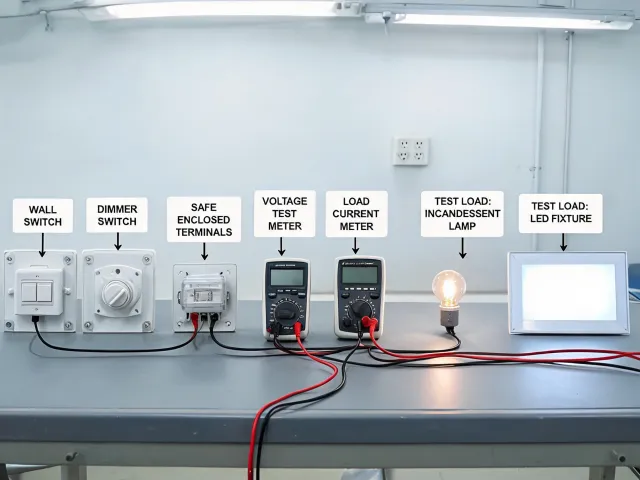
Load Behavior Bench
Representative LED drivers, fans, and lighting loads allow teams to examine start-up, low-end behavior, audible noise, and control response in a structured setting.
We focus on the physical and digital details people encounter every day: a dimmer responding predictably, a wallplate aligning cleanly, a remote remaining intuitive, and an app reflecting the real state of a space.
“A connected control earns trust when local operation remains clear, the electrical application is understood, and every digital convenience has a practical commissioning path.”
That principle shapes how our project desk handles specifications. We ask what the load is, how the circuit is wired, who will operate the space, what happens when connectivity is unavailable, and which documents the installer needs at turnover. It is a method grounded in use rather than novelty.
Representative LED drivers, fans, and lighting loads allow teams to examine start-up, low-end behavior, audible noise, and control response in a structured setting.
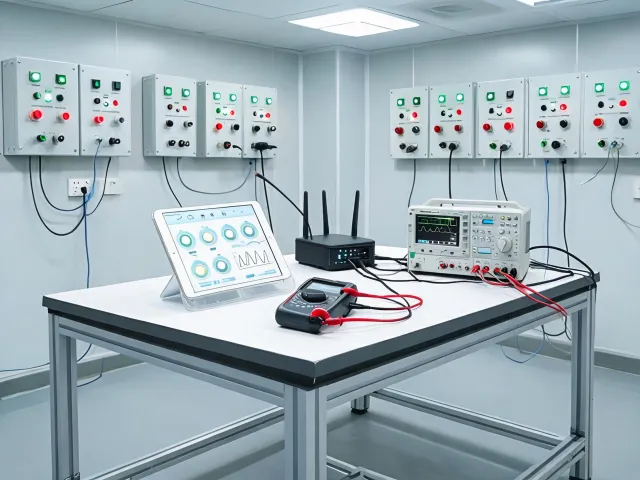
Coverage assumptions, account setup, scene logic, scheduling, remote access, and local fallback are evaluated as one operating experience rather than isolated features.
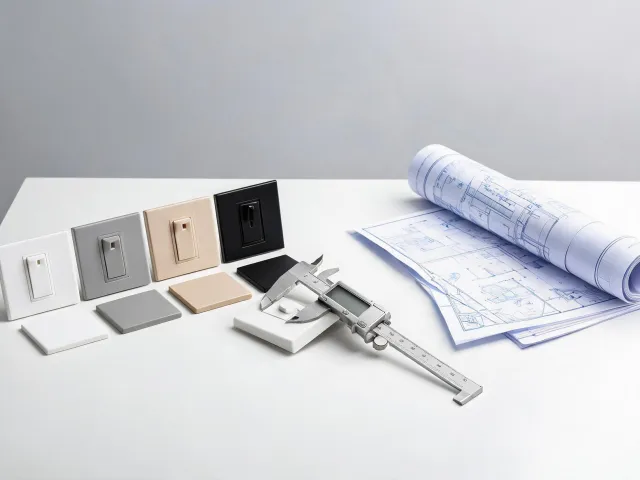
Device geometry, gang arrangements, finish families, labeling, and adjacent materials are compared to keep visual schedules aligned with electrical reality.
A field-oriented checklist for identifying conductor availability, load constraints, and acceptable retrofit paths before device selection.
A concise method for mapping primary controls, companion locations, traveler conditions, and expected behavior across common layouts.
Topics for documenting accounts, permissions, network dependencies, scenes, schedules, and service ownership at project handover.
Share the circuit condition, load information, desired user experience, and project constraints for a focused review.
Talk With the Project Desk